
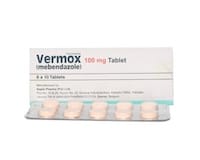
Buy Vermox Online: Best Prices and Fast Delivery
Navigating the Dosage Landscape of Vermox
Taking the wrong amount of medicine is like trying to steer a ship in a storm without a compass. When it comes to Vermox, precision is your best friend. For most adults fighting off common intestinal parasites, the standard protocol is usually a single dose.
It is a straightforward approach, yet it requires absolute certainty regarding your current health status. Life isn’t always a straight line, and your body’s reaction to medication can vary wildly. Doctors often prescribe a single 100mg dose for many common infections.
In some instances, if the infection is particularly stubborn, a second dose might be required a week later. Always follow the script written by your physician to ensure the job is done. You shouldn’t treat medical prescriptions like a game of “guess and check.”
While the pill might seem small, its impact on your internal chemistry is significant. Taking more than the recommended amount won’t kill the worms faster; it will only increase the likelihood of making yourself feel quite miserable. Stick to the plan provided by your healthcare professional.
Weight Matters for the Little Ones
Children are not just small adults; their bodies process chemistry through a much more delicate lens. When dealing with pediatric patients, doctors move away from a “one size fits all” mindset. Instead, they pivot toward weight-based dosing to keep things safe.
This ensures the concentration of the medication is just right for their smaller frame and developing organs. The math involved can be quite tricky for a parent to handle alone. Typically, dosing is calculated based on kilograms of body weight to prevent toxicity.
It is a delicate balancing act between being effective and being safe. You wouldn’t want to guess a child’s dosage, so let a professional handle the heavy lifting here. If your child is under the age of two, the conversation changes entirely.
Many medical guidelines suggest caution or avoidance for very young toddlers. Always double-check the packaging and verify the weight measurements. A mistake in a decimal point can turn a simple treatment into a very stressful emergency room visit.
- Adults: Typically a single 100mg dose for most intestinal issues.
- Children: Dosage is strictly calculated by weight (mg/kg).
- Toddlers: Use extreme caution and consult a doctor specifically.
Timing and the Shadow of Side Effects
Timing is everything when you are trying to clear an infection. Usually, the medication is taken once, but some specific parasitic types require a repeat dose several days later. Think of it as a “clean up” crew that needs to return to catch any survivors.
As the medicine begins its work, your body might throw a little tantrum. Nausea is the most common complaint, often feeling like a rolling wave in your stomach. You might also experience some abdominal cramping or mild dizziness.
Most people find these symptoms pass once the medication has done its primary job. Despite these common hiccups, some people experience more intense reactions. It is vital to monitor how you feel during the treatment period.
If you feel like you’ve been hit by a freight train, stop the medication and call your doctor immediately. Don’t just “tough it out” if things seem seriously wrong. The most dangerous path is the one of self-medication.
It is tempting to skip the clinic and run straight to the pharmacy, but this is a recipe for disaster. Without a diagnosis, you might be treating the wrong problem entirely. You might be fighting a battle that doesn’t exist, wasting money and risking your health.
A professional diagnosis ensures you aren’t chasing ghosts. Sometimes, what feels like a parasite is actually something else entirely, like food intolerance or a different viral infection. Paying a consultation fee is much cheaper than dealing with the fallout of an incorrect, self-administered treatment plan.
| Potential Side Effect | Commonality | Action |
| Nausea | High | Rest and hydration |
| Abdominal Cramps | Moderate | Monitor closely |
| Dizziness | Low | Consult a doctor |
Market Value and Cost Analysis
Navigating the financial side of pharmaceutical care can feel like trying to walk through a thick fog. You know you need the medicine, but the price tags seem to shift like sand under your feet. For a standard course of Vermox, most patients can expect to pay between $15 and $45.
Price fluctuations often depend on whether you are reaching for the famous brand name or a generic equivalent. Generic versions are usually the “bargain bin” heroes of the pharmacy, offering the same active ingredients for a fraction of the cost. It is often a smart way to save a few bucks.
It is not just about the pill itself, though. You have to account for the “hidden” costs that sneak up on you like a thief in the night. Prescription fees, shipping charges for mail-order services, and even the initial consultation fee can add up quickly.
Always look at the final total before you open your wallet. Buying single tablets is like buying a snack at a convenience store; it’s easy and immediate, but you are paying a premium for that convenience. If you only need a one-off dose, it might make sense.
However, for recurring issues, the price per unit can be quite punishing. On the flip side, bulk packs are the heavy hitters of the pharmacy aisle. Purchasing a larger quantity at once significantly lowers the cost of each individual tablet.
If your doctor has prescribed a long-term regimen, buying in bulk is a no-brainer that will keep your budget intact. The following table illustrates how different quantities and packaging styles can impact your total expenditure at the pharmacy counter.
| Quantity/Option | Estimated Price | Price Per Unit (Approx) |
|---|---|---|
| Single Tablet (Loose) | $3.00 | $3.00 |
| Standard 10-Tablet Pack | $25.00 | $2.50 |
| Bulk 30-Tablet Pack | $55.00 | $1.83 |
| Generic Bulk Option | $40.00 | $1.33 |
Avoiding the Online Pharmacy Trap
The internet is a goldmine for many things, but it can also be a minefield for unsuspecting shoppers. You might stumble upon a website offering prices that seem too good to be true. If a site claims to sell high-quality medication for pennies, hold your breath and be very skeptical.
Price gouging is a real phenomenon, especially when a specific medication becomes a trending topic. Some unscrupulous online pharmacies will hike their prices significantly during times of high demand. Always compare prices across at least two or three reputable, verified sources to ensure you aren’t being fleeced.
To spot a scammer, look for red flags like lack of contact information or a refusal to require a valid prescription. A legitimate pharmacy will never try to rush you into a high-priced “subscription” without clear terms. If something feels off, trust your gut and walk away.
Sourcing Your Prescription Safely
Navigating the digital pharmacy landscape is a bit like wandering through a crowded bazaar. You might find a vendor offering silk for a handful of copper, but you’d be wise to check if the fabric is real before handing over your cash. The internet is a vast ocean of options, but not all of them are sailing in the right direction.
Rogue websites often masquerade as legitimate medical providers, luring you in with flashy banners and aggressive pop-ups. They might promise instant delivery or bypass the usual red tape that keeps you safe. While the idea of a quick fix is tempting, these sites are often nothing more than digital ghosts.
To stay out of the doldrums, you must learn to distinguish between a reputable online pharmacy and a predatory scam. A real pharmacy is a regulated entity that operates within the bounds of the law. They aren’t looking for a “quick win” at your expense; they are looking to provide essential healthcare services.
Verifying Credentials and Licenses
Before you click that “buy” button, you need to do a bit of detective work. Every legitimate pharmacy should display its professional credentials prominently on its homepage. Look for signs of official accreditation from national regulatory bodies. If a site is hiding its physical address, it is a massive red flag.
Think of a pharmacy license as a digital passport. Just as you wouldn’t trust a traveler without proper documentation, you shouldn’t trust a website that refuses to show its credentials. You can often verify these licenses directly on official government or regulatory websites to ensure the provider is actually who they claim to be.
A legitimate site will also provide clear contact information, such as a physical street address and a working telephone number. If the only way to reach them is through a generic contact form that never gets a response, you are likely barking up the wrong tree. Real professionals want to be reachable.
Always check for the presence of a “Digital Pharmacy” seal or similar verification icons. These are not just decorations; they are symbols of accountability. They indicate that the site has undergone a vetting process to ensure they meet strict standards for safety, storage, and handling sensitive data.
Spotting the “Too Good to Be True” Deals
We have all heard the old adage about the “free lunch.” In the world of online prescriptions, if a website offers a massive discount that seems wildly out of sync with the market, proceed with extreme caution. If a pack of Vermox is listed for $2.00 when the average is $25.00, something is fishy.
These “bargain” sites often sell counterfeit medications that may contain the wrong dosage or even dangerous contaminants. It is a high-stakes gamble where the prize is a cheap pill and the cost is your actual health. Never sacrifice your physical well-being for the sake of saving a few dollars on a suspicious transaction.
Common red flags include:
- Websites that do not require a valid prescription for regulated drugs.
- Pressure tactics that use countdown timers or “limited stock” warnings.
- Payments that can only be made via untraceable methods like wire transfers or gift cards.
- Prices that are significantly lower than every other reputable competitor online.
If a site feels like a high-pressure sales pitch rather than a medical service, it is probably a scam. A legitimate pharmacy will never make you feel like you are missing out on a once-in-a-lifetime deal. They are there to provide medicine, not to run a high-intensity, fast-paced clearance sale.
Reading Between the Lines of Reviews
Customer reviews can be a goldmine of information, but they can also be a minefield of deception. Many rogue sites pay for “bot” reviews that all say the same thing: “Fast shipping! Great prices!” These are artificial and completely useless for making an informed decision about your health.
Instead of looking at the star rating alone, dive into the specific details of the comments. Look for reviews that mention specific experiences, such as the ease of the consultation process or the quality of the packaging. Authentic reviews often contain both praise and constructive criticism.
Third-party review platforms are generally more reliable than the testimonials hosted directly on the pharmacy’s own website. Websites that aggregate reviews from various sources are harder to manipulate. If you see a pattern of complaints regarding shipping delays, take that information to heart.
Always cross-reference what people are saying on social media or independent forums. If a pharmacy has a reputation for being “shady” in a medical community group, believe them. It is much better to spend an extra $10.00 on a verified source than to lose $50.00 to a site that never ships.
The Role of Telehealth Consultations
Obtaining a prescription for Vermox should never be a “no-questions-asked” affair. This is where telehealth comes into play, acting as a vital bridge between you and the medical professionals who ensure your safety. A telehealth consultation is a formal meeting with a licensed practitioner via video or chat.
During this session, a doctor will review your medical history and current symptoms to ensure the medication is appropriate for you. This step is crucial because even common medications can interact poorly with other drugs you might be taking. It is the “safety net” that prevents a simple treatment from turning into a crisis.
A proper telehealth service will provide a digital prescription that can be sent directly to a legitimate pharmacy. This ensures that the chain of care remains unbroken and transparent. If a website tells you that you don’t need to speak to a doctor at all, they are cutting corners you shouldn’t be willing to cut.
While there is often a small fee for these consultations, think of it as an insurance policy for your health. It provides peace of mind, knowing that your treatment plan is backed by professional expertise. A doctor’s oversight is the most effective way to navigate the complexities of pharmaceutical care safely.
Logistics, Shipping, and Delivery Realities
Navigating the Delivery Timeline
When you place an order for Vermox, the clock starts ticking immediately. Domestic orders typically move with the speed of a summer breeze, often arriving at your doorstep within 3 to 5 business days. It is a relatively smooth ride, provided the pharmacy has the stock ready to go.
International shipping is a different beast entirely. If you are ordering from a pharmacy located across an ocean, prepare for a much longer journey. You might find yourself waiting anywhere from two to four weeks. It is a waiting game that requires a bit of patience on your part.
Several factors can throw a wrench in these estimates. Weather patterns, holiday surges, or even local strikes can cause unexpected bottlenecks. It is wise to treat the estimated date as a “best-case scenario” rather than a hard promise. Always keep a buffer in your schedule for these little hiccups.
If you are in a rush, you might consider paying an extra $15.00 or $20.00 for expedited shipping. This often moves your package to the front of the line. However, even premium shipping cannot bypass the reality of customs inspections or local postal delays during peak seasons.
Packaging Standards and Integrity
Medication is a sensitive cargo that requires a gentle touch. Reputable pharmacies don’t just toss your pills into a flimsy envelope and hope for the best. They use specialized, tamper-evident packaging designed to keep the contents secure and shielded from light and moisture.
The integrity of the medication is paramount for your safety. If a box arrives crushed or the seal is broken, the medicine inside might be compromised. You want to ensure that the temperature remains stable during the transit process to prevent any chemical degradation of the active ingredients.
When your package arrives, inspect it like a hawk. Check the outer box for any signs of moisture, punctures, or suspicious tampering. If the internal blister packs look dented or the foil is cracked, do not hesitate to contact the provider immediately. Your health is not something to gamble on.
High-quality logistics providers often use double-boxing techniques for high-value orders. This extra layer of protection acts as a buffer against the rough handling that sometimes occurs in sorting facilities. It is a small cost for the pharmacy, but a huge relief for the consumer.
Customs and Import Hurdles
Crossing international borders is where things can get murky. Every country has its own set of rules regarding what can be imported and in what quantity. What is perfectly legal in your home country might trigger a red flag in another. It is a legal minefield.
Customs officials often have the authority to seize packages that do not meet specific documentation requirements. If you are ordering Vermox from abroad, ensure the pharmacy provides a clear invoice and a copy of the prescription. Without these, your package might end up in a “black hole” of customs inspection.
Some regions have strict limits on how many days’ worth of medication you can bring in at once. Exceeding these limits can lead to fines or the total loss of your order. It is better to play it safe and order in smaller, more manageable batches to avoid unnecessary trouble.
Keep in mind that you might be responsible for import duties or taxes. While many small shipments pass through unnoticed, larger orders could attract unexpected fees. It is a bitter pill to swallow if you find yourself paying extra just to claim what you already paid for.
Tracking and Troubleshooting
In this digital age, you shouldn’t be left wondering if your package is lost in the void. A professional pharmacy will provide a tracking number as soon as your order leaves the warehouse. This allows you to watch its progress from the facility to your front porch.
If your tracking information hasn’t updated in several days, don’t panic just yet. Sometimes, packages sit in a sorting facility for a few days without much movement. However, if the status remains “stuck” for over a week, it is time to pick up the phone and ask questions.
If a package is confirmed lost or arrives damaged, you are entitled to a resolution. Most legitimate companies will offer a replacement or a full refund, often for no extra charge. Be prepared to provide photographic evidence of any damage to speed up the process.
Dealing with these issues can be a headache, but staying organized is your best defense. Keep all your confirmation emails and tracking numbers in one place. This makes the conversation with customer service much smoother and helps you get back on track with your treatment.
| Shipping Type | Estimated Time | Cost Range (USD) |
| Domestic Standard | 3-5 Business Days | $5.00 – $10.00 |
| Domestic Expedited | 1-2 Business Days | $15.00 – $25.00 |
| International Standard | 14-30 Days | $20.00 – $40.00 |
Comparing Vermox to Alternative Antiparasitics
Mebendazole vs Albendazole
When you step into a doctor’s office to discuss parasitic infections, you are often faced with a choice between heavy hitters. Mebendazole, the active ingredient in Vermox, is like a precision tool. It works primarily in the gut, making it highly effective for localized issues without much systemic exposure.
Albendazole, on the other hand, is more of a sledgehammer. It has a much broader reach because it is absorbed into the bloodstream more readily. This makes it a versatile choice when the infection might have spread beyond the intestinal walls, though it carries a slightly different risk profile.
Think of it as choosing between a scalpel and a broad-spectrum antibiotic. If you are dealing with a simple case of pinworms, Mebendazole is often the first line of defense. It gets the job done with surgical precision, leaving the rest of your body out of the fray entirely.
Doctors often weigh these two options based on the patient’s specific symptoms. If a patient is experiencing abdominal pain that suggests the worms are causing deeper issues, a physician might lean toward Albendazole. It is all about matching the right tool to the specific biological intruder.
Spectrum of Activity
Not all worms are created equal, and neither are the drugs used to fight them. Mebendazole shines when it comes to common culprits like Enterobius vermicularis (pinworms) or Ascaris lumbricoides (roundworms). It targets the glucose uptake of the parasite, effectively starving them in their own habitat.
Albendazole boasts a wider net. It can tackle a broader range of tissue-invading parasites, such as certain types of flukes or even some protozoal infections. If a traveler returns from a tropical region with vague, systemic symptoms, the doctor might opt for this more aggressive approach to cover all bases.
The choice often hinges on whether the infection is strictly “in the pipes” or potentially deeper in the tissues. Mebendazole stays largely within the gastrointestinal tract, which is a massive advantage for minimizing systemic side effects. It is a localized strike against a very specific type of enemy.
In a clinical setting, the spectrum of activity dictates the entire treatment roadmap. If the diagnosis is clear-cut, Mebendazole is the go-to. If the origin of the infection is murky or the symptoms are systemic, the wider reach of Albendazole becomes an indispensable part of the medical toolkit.
Side Effect Profiles and Clinical Choice
Every medication is a double-edged sword. With Mebendazole, most people experience very little beyond perhaps a mild stomach ache or nausea. Because it isn’t absorbed heavily into the blood, the “collateral damage” to the rest of your organs is remarkably low, which is a huge plus.
Albendazole can be a bit more temperamental. Since it enters the bloodstream more easily, it can occasionally cause headaches, dizziness, or even liver enzyme fluctuations. It is not a reason to panic, but it is something a doctor must monitor closely, especially during longer courses of treatment.
A physician’s decision-making process is a delicate dance of risk versus reward. If a patient is a child or someone with a sensitive stomach, the doctor will likely stick with the gentler Mebendazole. They want to kill the worms without making the patient feel like they’ve been hit by a freight train.
Ultimately, the “best” drug is highly subjective. It depends on the patient’s medical history, their age, and the suspected type of parasite. A doctor isn’t just looking at the worm; they are looking at the whole person to ensure the cure isn’t worse than the disease.
Cost-Benefit Analysis of Regimens
Money matters, especially when you are dealing with multiple doses over several weeks. Mebendazole is often quite economical for simple, short-term treatments. A single course might cost anywhere from $10.00 to $30.00, making it an easy choice for a quick fix for pinworms.
Albendazole regimens can sometimes run higher, especially if a more complex or prolonged treatment is required to ensure the infection is completely eradicated. You might see costs ranging from $25.00 to $60.00 depending on the pharmacy and the specific dosage instructions provided by your clinician.
When looking at the big picture, you have to consider the “cost of failure.” If you choose the cheaper, less effective option and the infection persists, you end up paying twice. A more expensive, broader-spectrum treatment might actually be the more cost-effective route in the long run.
It is a classic case of “buy cheap, buy twice.” While the upfront price tag of Mebendazole is often lower, the clinical necessity of the more robust Albendazole can’t be ignored. Always weigh the immediate price against the likelihood of needing follow-up visits and additional medications later.
| Medication | Primary Strength | Typical Cost (USD) |
| Mebendazole | Localized/Low Toxicity | $10.00 – $30.00 |
| Albendazole | Broad Spectrum/Systemic | $25.00 – $60.00 |
Practical Scenarios for Treatment
Managing Pinworm Outbreaks in Household Settings
Imagine a quiet Tuesday evening when your toddler starts scratching incessantly in their sleep. Suddenly, the whole family is checking under fingernails and inspecting bedsheets. Pinworm outbreaks are like a wildfire in a dry forest; they spread through a household with terrifying speed and minimal effort.
When one person is diagnosed, you must treat the entire household simultaneously. It sounds draconian, but treating only the symptomatic person is like trying to put out a fire while leaving a lit match under the curtains. Everyone needs to be on the same page to break the cycle of transmission effectively.
Sanitation becomes your primary weapon in this domestic war. You need to wash all bed linens, towels, and even the family’s favorite stuffed animals in hot water. Don’t forget the doorknobs and remote controls either. These tiny eggs are sneaky, waiting patiently on surfaces to hitch a ride.
A strict hand-washing regimen is non-negotiable for every member of the family. Encourage children to scrub with soap and water before every meal and after every bathroom visit. It might seem tedious, but it is the most reliable way to ensure the parasites don’t find a new home in your kitchen pantry.
Dealing with Accidental Ingestion of Parasite Eggs
“I think I swallowed a bug,” someone might joke, but the reality of accidental ingestion is often far from funny. Whether it is a contaminated piece of fruit or a poorly washed salad, the stomach is a harsh environment, yet some eggs are remarkably resilient against our natural defenses.
If you suspect you have ingested eggs, don’t let panic take the driver’s seat. Most accidental exposures do not lead to a full-blown infection, but you should keep a close eye on your digestive health. Watch for unexpected abdominal discomfort, nausea, or changes in your bowel habits over the coming weeks.
It is wise to consult a healthcare professional if symptoms persist or if you belong to a high-risk group, such as young children or the elderly. They can determine if a preventative dose of medication is necessary. It is better to be safe than to deal with a persistent intestinal intruder.
Keep a food diary if you notice any strange symptoms. Noting what you ate and when the discomfort started can be a lifesaver during a doctor’s visit. This data helps bridge the gap between a vague feeling of unease and a definitive clinical diagnosis for your medical team.
Post-Travel Precautions in Tropical or High-Risk Areas
Returning from a dream vacation in Southeast Asia or Central America is usually a joyous occasion, but it can come with unwanted souvenirs. Many travelers return with “traveler’s tummy,” which might actually be something more sinister like a roundworm or a fluke lurking in the gut.
If you have been trekking through rural areas or consuming local street food, you should be extra vigilant. A proactive approach is often better than a reactive one. Some doctors suggest a “just in case” regimen if you have been exposed to high-risk environments where water sanitation is questionable.
Pay attention to any unusual fatigue or weight loss that occurs after your trip. These can be subtle red flags that a parasite is siphoning off your nutrients. It isn’t just about the stomach ache; systemic symptoms are often the first sign that a traveler has brought home more than just memories.
Always mention your recent travel history to your doctor, even if you feel perfectly fine. They need the full context to decide if a broad-spectrum option like Albendazole is more appropriate than a localized treatment. Being upfront about your itinerary can prevent a misdiagnosis and save precious time.
When to Re-test After Completing a Full Course
Finishing your pills doesn’t always mean the battle is won. Many patients assume that once the medication is gone, the problem is solved, but parasites are masters of disguise. They can hide in the folds of the intestinal wall, waiting for the medicine to clear before reappearing.
A follow-up test is often necessary to ensure the “all clear.” For many infections, doctors recommend testing again two to three weeks after the final dose. This timing is crucial because it allows any remaining eggs to hatch and be detected in a stool sample or through other clinical means.
If you notice symptoms returning—such as itching or abdominal pain—do not assume you have been re-infected by someone else. It might be that the first round of treatment didn’t quite finish the job. Re-testing provides the definitive proof needed to decide if a second course is required.
Don’t be discouraged if the first round doesn’t do the trick. It is a common hurdle in parasitic management. The goal is total eradication, and sometimes that requires a second, more focused strike to ensure the infection doesn’t become a chronic, nagging issue in your life.
Preventative Measures to Stop Reinfection Cycles
Stopping a reinfection cycle is like trying to keep a leaky boat afloat; you have to plug the holes, not just bail out the water. Once you have completed your treatment, the environment must be made inhospitable to any surviving eggs that might still be lingering around your home.
The “double-dose” strategy is a common clinical recommendation for certain types of worms. This involves taking a second dose of medication a few weeks after the first to kill any larvae that were in a different life stage during the initial treatment. It’s a tactical move to ensure nothing is left behind.
Beyond medication, your daily habits are your best defense against a recurring nightmare. Maintain a strict routine of washing hands, keeping fingernails short, and ensuring all food is thoroughly cooked. These simple, disciplined actions act as a shield, preventing the cycle from starting all over again.
Consider the following preventative checklist for your household:
- Wash all bedding and towels in hot water ($10.00 – $15.00 for specialized laundry detergent).
- Sanitize high-touch surfaces like faucets and light switches daily.
- Ensure all fruits and vegetables are washed thoroughly under running water.
- Implement a “no-bite” rule for children during peak outbreak seasons.
Contact & directions
Address:
484 Moreland Avenue Northeast,
Atlanta, GA 30307, USA