
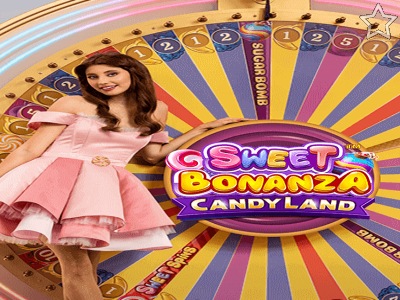
Before choosing a casino game, it helps to understand how its symbols, win structure and feature rounds actually work. Sweet Bonanza is a 6×5 video slot built around matching symbols anywhere on the grid and cascading wins rather than traditional paylines. Readers comparing the original game with similar releases can play sweet bonanza live as part of their research, while remembering that the hosting casino determines the available settings, account conditions and access. This guide focuses on identifying the game and interpreting its main mechanics.
Start by identifying the original game
The original version was developed by Pragmatic Play and released in 2019. Its bright design uses fruit, sweets, hearts and candy shapes, but the appearance is less important than the underlying structure. The playing area has six columns and five rows, creating 30 visible positions. There are no conventional fixed paylines. Instead, a qualifying win is formed when enough matching symbols appear anywhere on the grid.
The lowest qualifying combinations contain eight or nine identical paying symbols. Larger awards apply when 10 or 11 matching symbols appear, with the highest listed symbol group beginning at 12 or more. Their precise positions do not need to form a line, which makes the game different from a standard three-reel or payline slot. Multiple symbol groups can also win during one spin, and those awards are added before the next stage of the sequence.
It is worth checking the title carefully because several similarly named releases exist. Sweet Bonanza 1000, Sweet Bonanza Super Scatter, Sweet Bonanza 2500, Sweet Bonanza Xmas and Sweet Bonanza POP are separate games, not alternate labels for the original. They may use different rules, visual themes, feature systems or payout information. The in-game help screen should confirm the title, symbol values, RTP configuration and available options before money is risked.
How does the Tumble system change a spin?
The central mechanic is the Tumble feature. When a winning group is created, those symbols disappear from the grid. Symbols above them fall into the vacant spaces, and new symbols enter from the top. This can create another qualifying combination without requiring a separate paid spin. The process continues until the newly formed grid produces no further win.
A single paid spin can therefore contain several winning stages. The first result may remove fruit symbols, while the symbols that fall into place create another combination involving sweets or higher-value icons. Each winning group is calculated as the sequence progresses, and the resulting awards are combined before the next tumble. The mechanic creates changing outcomes, but it does not alter the probability or value of the underlying symbols.
Understanding the Tumble system helps prevent a common misunderstanding: a cascade is not a second independent spin. It belongs to the same paid round and does not guarantee that another win will appear. A long sequence can finish quickly, while an apparently promising grid may produce no qualifying combination. Treating every tumble as a separate opportunity can make the game seem more predictable than it is.
Which symbols matter during the base game?
The base game contains ordinary fruit symbols such as bananas, grapes, watermelon, plums and apples, alongside higher-value candy symbols. Their values depend on the number of matching symbols shown in the paytable. Since wins are based on quantity anywhere on the grid, counting matching icons is more useful than looking for a familiar line pattern.
The pink-and-white lollipop serves as the Scatter symbol and can land anywhere. Four, five or six Scatters provide a direct Scatter payout under the documented original rules. Four or more Scatters also trigger the Free Spins feature. These are built-in game rules and should not be confused with promotional free spins offered by an individual casino.
Game information can vary slightly between operator versions. Published RTP figures for the original have included configurations around 96.48% to 96.51%, while the loaded casino version may use another enabled setting. The relevant value is the one displayed in the game’s information panel. Stake ranges, currency denominations and optional features can also differ, so a general description should not replace the rules shown on the specific site.
What happens in the Free Spins feature?
The original Free Spins round normally begins with 10 spins. Three or more additional Scatters during the feature award five extra spins. Unlike the base game, multiplier bomb symbols can appear during this round. Each bomb carries a random multiplier from 2x to 100x, although the appearance of a bomb is not a promise that a valuable winning combination will occur.
Bombs remain on the grid until the current tumble sequence ends. Once that sequence is complete, the bomb values from it are added together and the combined multiplier is applied to the tumble win. This timing matters: a bomb does not necessarily multiply every win in the whole bonus round, and its value is connected to the active cascade in which it appears.
Extra spins, bomb values and matching symbols remain matters of chance. A short demonstration session can show how the feature operates, but it cannot establish the game’s long-term return, volatility or likely results. Readers should also check whether the hosting casino has enabled the original rules, because the operator may offer another configuration or restrict certain features according to its own terms and applicable local requirements.

Compare optional modes without confusing their purpose
Some versions include an Ante Bet or Double Chance-style option. In the documented configuration, the player increases the stake by 25%, and the game adds more Scatter symbols to the reels to double the chance of triggering Free Spins naturally. This is an increased-cost feature, not a guarantee of a bonus round or a change to the value of every ordinary win.
Using the Ante option can also disable the Free Spins purchase feature. Where Bonus Buy is available, it can purchase the 10-spin round for 100 times the selected base bet. Both features may be unavailable at particular operators or in particular jurisdictions. Their presence should therefore be confirmed in the loaded game rather than assumed from descriptions of another casino version.
The practical comparison is simple: regular play uses the standard stake and waits for features to occur naturally; Ante play costs more per round in exchange for a stated Scatter adjustment; Bonus Buy spends a much larger multiple to enter the feature immediately where permitted. None removes variance or ensures a profitable result. For Canadian readers, the Responsible Gambling Council’s information resources offer broader context for keeping gambling decisions within a planned entertainment budget.
Frequently asked questions about the game
Is the original game the same as Sweet Bonanza 1000?
No. The original release and Sweet Bonanza 1000 are separate titles. They may share a candy theme or familiar symbols, but their paytables, feature rules, multiplier systems, RTP settings and maximum-win information can differ. Always open the help panel and confirm the exact title before comparing results, stakes or feature descriptions.
Does a Tumble count as another paid spin?
No. A Tumble is part of the same paid round. Winning symbols disappear, replacements fall into place and further wins may continue until the grid stops producing qualifying combinations. The extra stages can increase the result of that round, but they do not provide a guaranteed new opportunity or separate spin.
Where can the applicable RTP and stake range be checked?
Use the information or paytable screen inside the loaded casino version. The operator may offer a different RTP configuration, currency denomination or stake range from another site. Published descriptions can explain the usual structure, but the in-game information is the relevant reference for the particular version being considered.